One of the most helpful mindset shifts is letting go of the idea that there’s a “right age” or a set timeline. For many neurodivergent children, potty training is less about age and more about when the right underlying skills come together.
It’s Not Just One Skill
Using the toilet might seem simple, but it actually involves a lot of different skills happening at once. A child needs to notice their body signals, stop what they’re doing, get to the bathroom, manage clothing, tolerate the environment, and then actually release. That’s a lot to coordinate.
Using the toilet might seem simple, but it actually involves a lot of different skills happening at once.
For some children, the biggest challenge is interoceptive awareness. They may not feel the urge to go until it’s very strong, which may lead to accidents. For others, the biggest challenge may be sensory related. Bathrooms can be loud, bright, echoey, or just uncomfortable. Some children struggle more with motor planning the steps involved in managing clothing and getting on and off the toilet.
When accidents or resistance happen, it’s usually not a behavior issue. It’s often a sign that one or more of these underlying skills are still developing.
What “Readiness” Might Look Like
Readiness doesn’t always look the way you might expect. Some children won’t tell you they need to go, even when they’re starting to develop awareness.
You might notice things like:
-
Staying dry for longer stretches of time
-
Wanting to be changed right away when wet or soiled
-
Going off to a corner or private space to use their diaper
-
Showing curiosity about the bathroom
-
Being able to follow simple routines
These are all signs that pieces of the puzzle are starting to come together.
Start with Comfort, Not Pressure
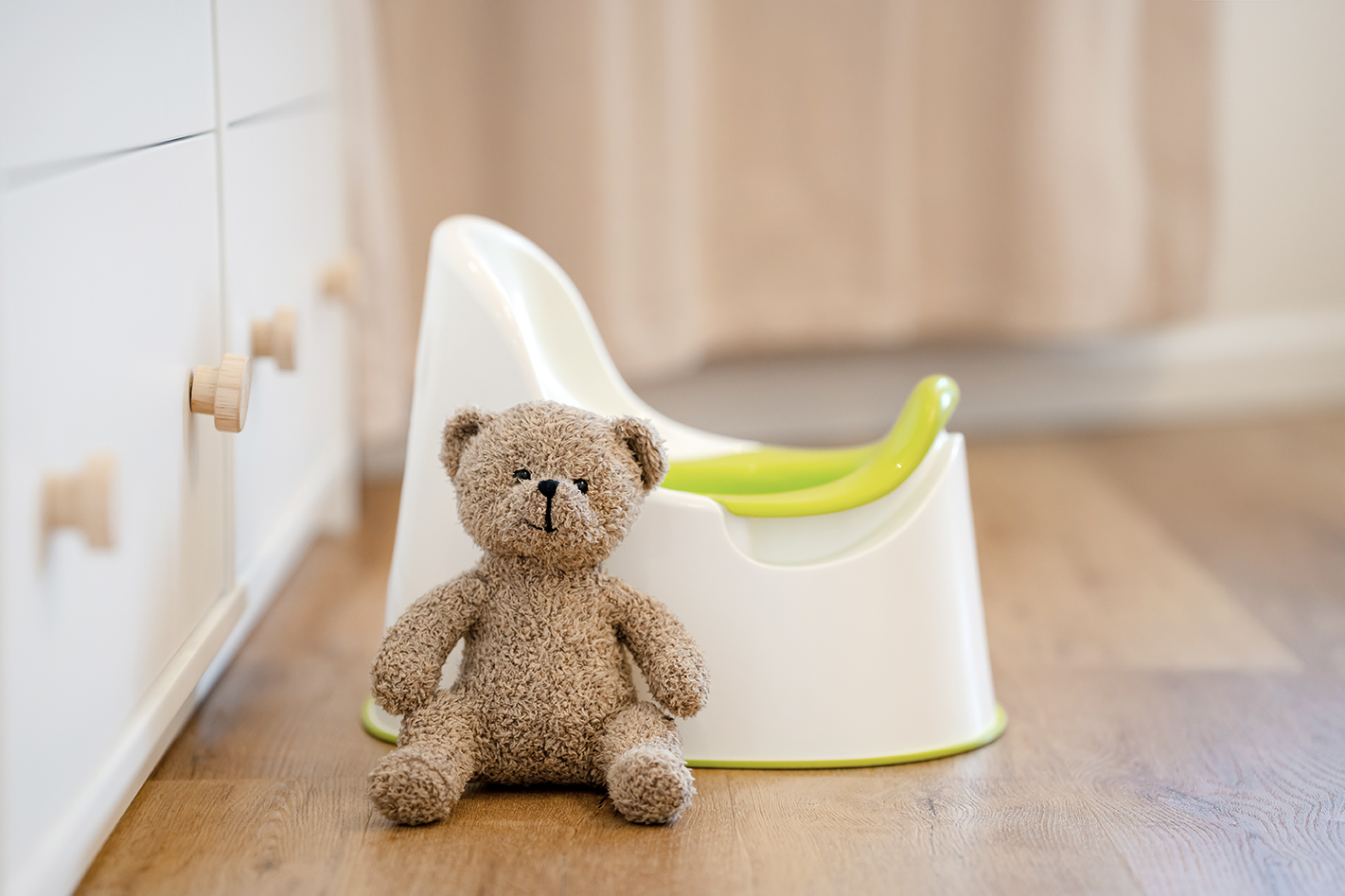
Before focusing on actually using the toilet, it’s often helpful to make sure your child is comfortable in the bathroom.
That might look like:
-
Sitting on the toilet with clothes on, just to get used to it
-
Keeping visits short and low-pressure
-
Reading a book or singing the same song each time
-
Practicing parts of the routine, like flushing or washing hands
If the bathroom feels overwhelming or unfamiliar, it’s going to be much harder for your child to be successful.
Routines Help More Than You Think
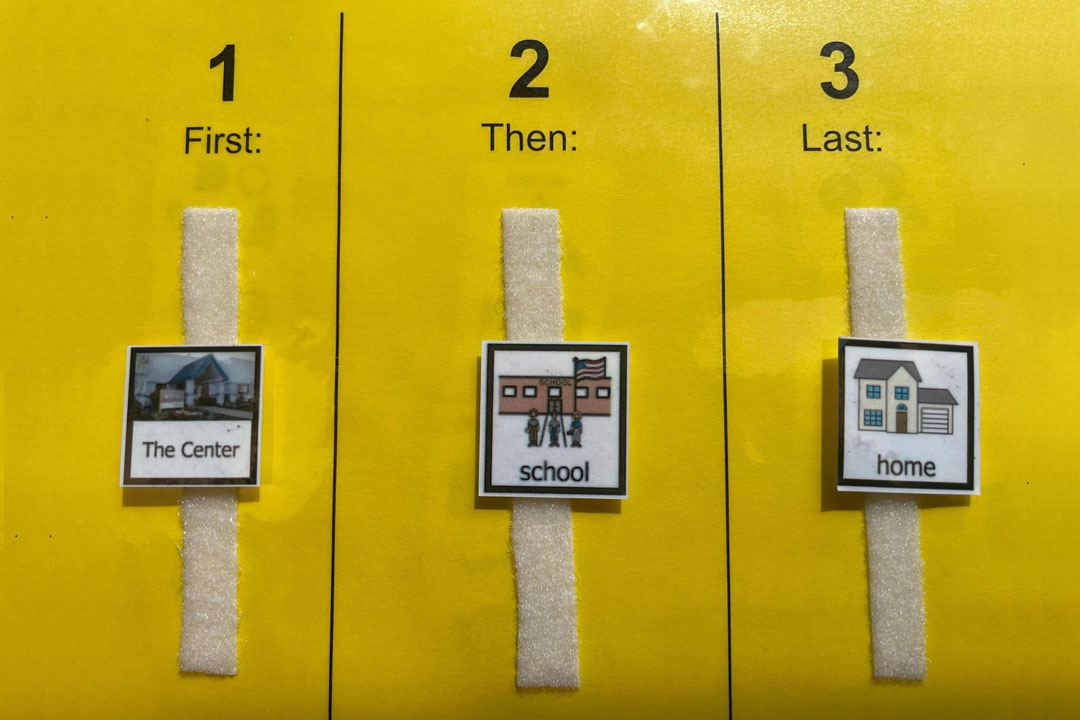
Many neurodivergent children do best when things are predictable. Instead of waiting for your child to tell you they need to go, try building it into the day.
For example:
-
Have your child sit on the toilet at consistent times (like after meals or before leaving the house)
-
Use the same simple phrase each time (“It’s time to try the potty”)
-
Keep sits short so it doesn’t feel overwhelming
Even if your child doesn’t go, just sitting and participating is an important step.
Help Them Tune Into Their Body
A big part of toileting is learning to recognize body signals, and that doesn’t come naturally for every child.
You can help by gently pointing things out:
Over time, this helps your child start to make those connections themselves.
Celebrate the Small Wins
Success doesn’t have to mean using the toilet right away. Sitting, trying, or even just walking into the bathroom without resistance are all meaningful steps.
Use whatever motivates your child:
The key is to keep it positive and focus on effort, not just the outcome.
What Can Make It Harder
Some approaches can unintentionally add stress and make things more difficult:
-
Punishing accidents
-
Forcing your child to sit for long periods
-
Comparing them to siblings or peers
-
Pushing too quickly before they’re ready
If your child is becoming very upset or resistant, it’s usually a sign to slow down and go back a step.
When to Reach Out for Help
If you’re feeling stuck, you’re not alone. It can be really helpful to get extra support, especially if:
-
Your child is very distressed around toileting
-
There are frequent accidents with little progress
-
You notice strong sensory sensitivities
-
Your child is withholding or struggling with constipation
A pediatric occupational therapist can help break things down, figure out where the challenge is, and create a plan that fits your child.
Final Thoughts
Potty training for neurodivergent children often isn’t a straight path. There can be progress, setbacks, and a lot of small steps in between. That doesn’t mean it’s not working, it just means your child is learning in their own way.
Focus on building comfort, supporting their body awareness, and celebrating progress along the way. With time, consistency, and the right supports, most children get there.
And just as importantly, you’re not doing anything wrong if it takes longer than you expected.