
It’s not a behavior problem — here’s what’s actually going on.

Eosinophilic esophagitis (EoE) is an allergic condition triggered by foods that causes inflammation and narrowing of the esophagus. This condition affects 1 in 1,500 children.
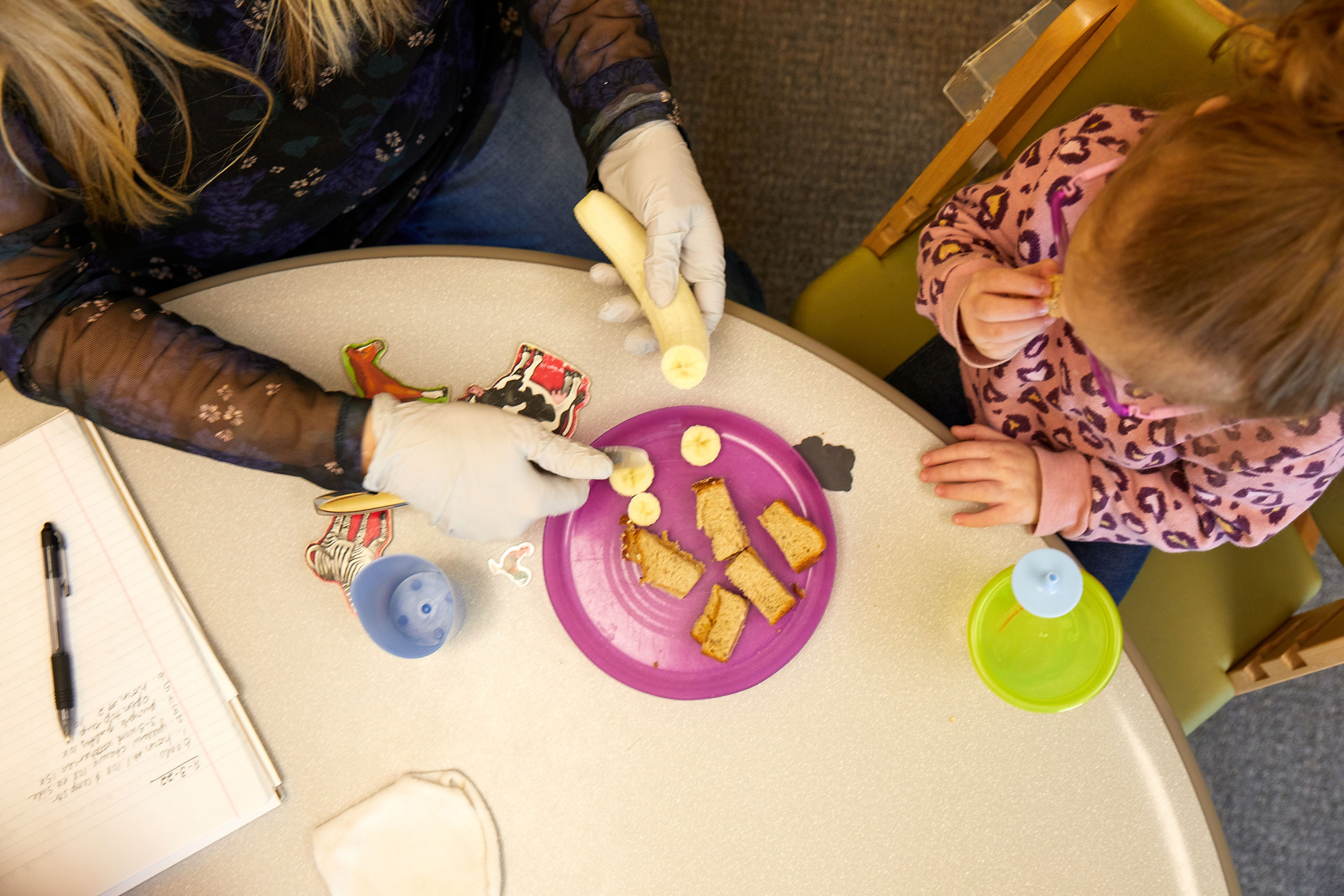
The most common symptom in younger children is food refusal. This will often result in poor growth, malnutrition or weight loss.
School-aged children may complain of decreased appetite, stomach pain, trouble swallowing (feeling like food is getting stuck), or vomiting.
"Research has shown a higher prevalence of EoE in children with Autism Spectrum Disorder than in the general population."
A gastroenterologist (GI) doctor can diagnose EoE by completing an endoscopy. EoE symptoms are similar to other gastrointestinal conditions (such as reflux) which can result in a misdiagnosis.
EoE is more common in children with allergic diseases such as hay fever, atopic dermatitis/eczema, asthma, and food allergies. Research has also shown a higher prevalence of EoE in children with Autism Spectrum Disorder than in the general population.

EoE can be treated with medication and/or an elimination diet. Our feeding specialists (SLPs/OTs specializing in feeding therapy) can help identify symptoms of EoE and make recommendations to appropriate providers for diagnosis. Our feeding therapists can also help to re-establish a positive experience with eating after your child has been diagnosed with EoE.